|
A home inspection can be a nerve-racking part of the home-buying process – but it is also a vital step.Your home purchase is likely one of the biggest investments of your life and it's important to know exactly what you're buying. The best way to ensure this is through a professional and thorough home inspection.
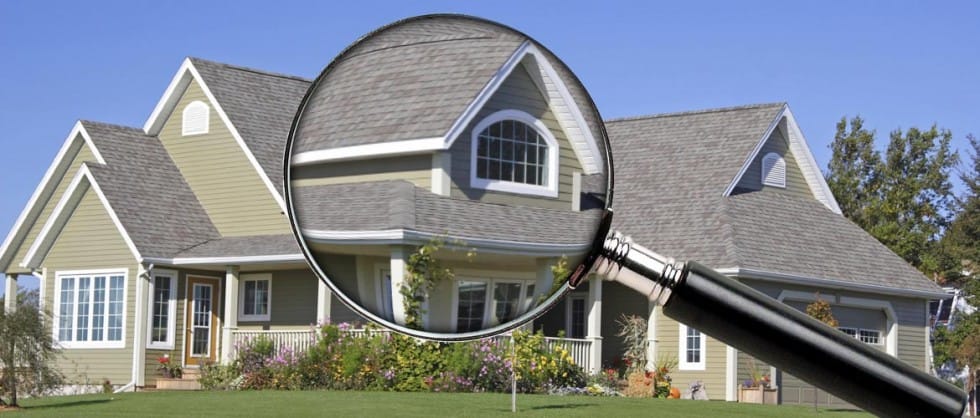
Why You Need a Home Inspection
In your excitement to buy a home, it's easy to miss a small crack in the foundation, some leaky pipes under the house, or a roof that needs to be replaced.
The sellers worked hard to make the home look as desirable as possible, but looks don't tell the whole story. That's where your home inspection comes in.
What about inspections for sellers?
While this material speaks primarily to buyers, it's a good idea for sellers to do an inspection prior to listing their home for sale. An inspection can help you turn up issues ahead of time so there will be no surprises when serious buyers start inquiring. Knowing in advance means you'll be able to consider all your options – either making repairs before listing or pricing your home to account for anything you're not going to fix.
For more information about inspections for home sellers, see the Tips on Selling a House.
What does a home inspection include?
A general home inspection will evaluate the house and adjoining structures from top to bottom, inside and out, including but not limited to:
Outside: Roof, porches, driveways, garage, drainage, retaining walls, grading, and plants or vegetation that may impact the home's condition.
Inside: Electrical and plumbing systems, foundation, heating, ventilation and air conditioning systems, water heater, septic system, electrical system, windows, doors, floors, ceilings, and walls.
What a home inspection doesn't cover:
The home inspector can't make any alterations in the course of inspecting a home – so there’s no digging up the ground, lifting carpets, knocking out walls, etc.
Also consider that a home comprises tens of thousands of parts, pieces, nooks and crannies. An inspector will look at a representative sampling, but there's simply no way to check every single element.
Specialized Inspections – When Do You Need One?
Some states and cities require additional inspections on top of a general inspection. Beyond that, you may simply want a specialized inspection due to a special circumstance, or perhaps a particular concern you or your general inspector may have.
Examples of specialized inspections:
- Sewer Inspection
- Fireplace/Chimney Inspection
- Heating/Cooling Inspection
- Mold/Mildew Inspection
- Lead Inspection
- Asbestos Inspection
- Lead Inspection
- Pest/Dry Rot Inspection
- Inspection of a special feature such as swimming pool or hot tub
Here are a few things an inspector may find that could add to the cost of your home - or save you from buying a lemon altogether:
- Electrical - Lurking Charges: Even though a home's electrical system may seem to function adequately, inspections can reveal safety issues. This frequently happens with old wiring that's corroded or outdated, or with new wiring that was improperly installed.
- Trouble on Top: Roofing materials don't last forever, and inspectors often find problems with aging materials that will soon cause problems. The scale of necessary repairs can range from needing to replace a few shingles to needing an entirely new roof.
- Drainage - a Failing Grade: Poor grading, or a slope that drains water toward your house instead of away from it, can cause all kinds of problems such as flooded crawl spaces or basements, rotting walls and framing, and mold and foundation damage.
- Mold/Dry Rot: Especially in humid regions, mold can sprout anywhere moisture collects, like attics, basements and drywall around leaky pipes. If the inspector finds mold, a separate mold inspection may be required.
- Foundation Flaws: As a home settles over the years, the foundation can shift. Symptoms include cracks in the drywall, uneven floors, and doors and windows that won't shut. While home inspectors can identify basic foundation issues, if they see something that seems structurally suspicious, they'll often recommend you call a foundation engineer to assess the situation.
- Plumbing: Leaking around exposed pipes, particularly with washing machines. Outdated pipes. It's common to find old Polybutylene pipes, which your inspector will recommend replacing.
- Ungrounded outlets. You can recognize these by their two-slot configuration versus the three-slot configuration of a grounded outlet. Most inspectors will recommend that you upgrade to grounded outlets.
- Improperly wired breaker boxes. Common hazards include two circuits on a single-pole breaker, oversized breakers, double-pole breakers that supply two single circuits, and wires that cross over the panel's center.
- Leaks in piping or heating unit; air ducts that need cleaning.
- Not enough insulation. Insulation requirements vary by location, but an improperly insulated home will always lead to high energy bills.
- A wet basement is a problem because it indicates that water isn't properly draining away from the home.
- Mold in the air. When water isn't draining properly, it may result in air bound mold. Mold can also be a byproduct of dry rot.
- Torn and/or cracked shingles, or flashing that's not properly installed. Each of these can cause roof leakage.
- Stress cracks in the walls may indicate a foundation or settling issues.
- This occurs when fungus grows in your home's wood due to high condensation. The affected wood will have to be replaced.
- The underlying questions: Why is the condensation is occurring in the first place?
Five Deal-Breakers from an Inspection
Easily fixed pipes or a few outdated electrical outlets are no reason to back out of a deal. However, other issues that come up during a home inspection should give make you pause and think about whether or not to proceed.
Here are some red flags that warrant closer attention:
- Water Intrusion and Grading Problems: Water in the basement, condensation on the walls, and mold in the air indicates moisture and drainage problems that could cost a lot of money to fix. These issues often suggest improper grading.
- Structural Damage: Cracks in walls, ill-fitting windows and doors, and visibly shifted bricks on the exterior are all signs of structural damage. Your cost to fix these types of problems can range anywhere from $20,000 to $200,000.
- Roof Repairs: Old shingles, water stains on the ceiling, or rotting rafters are all signs that the roof may need to be replaced. This is another extremely expensive undertaking, so pay close attention during the roof inspection.
- Window Replacement: Windows that don't work, fit the frame poorly, or show condensation between the panes may need to be replaced. Depending on the number of windows, this could easily run between $5,000 and $8,000.
- Insect Infestation: A general inspection should show you whether the home has a pest problem, which may prompt a need for a more detailed report from a specialist. This is a serious issue because some pests can cause structural damage.
RE/MAX Home Inspection Tip: Condo or co-op boards pay for many repairs, but remember the costs will get passed on to you eventually – so it's good to know the building's overall condition from the start.
Home Inspection Checklist
Attend your home inspection to see first-hand what the inspector notes, and learn some important details about the house — like how to properly use the water, sprinklers, heater, electricity, etc.
When attending your inspection:
- Wear casual clothes and comfortable shoes. You may find yourself crawling under and behind things to see what the inspector is pointing out.
- Plan for the inspection to take two to three hours.
- Bring pen and paper, copies of any inspection reports provided by the seller, and any disclosure reports that identified past problems, so the inspector can follow up.
- Feel free to ask questions, but give the inspector time and space to work.
|
|
For Professional Service Every Time...
Michael Lange
Broker/Realtor®

541-254-4088
oregonbeachomes.com
Connect with Me:
Download my
RE/MAX Mobile App:
Home Buying Resources:
Down Payment Assistance
Buying a Home (HUD)
Local Home Buying Programs
Oregon Housing & Community Home Buying Services
Government Home Buying Grants
Operation HOPE
Military Home Ownership Assistance Program
Veteran Administration - First Time Buyer Program
Search for Homes
by Area:
Brookings
Harbor
Gold Beach
Bandon
Langlois
Port Orford
Map
Search for Homes
by Price:
Homes under $100K
Homes $100K to $250K
Homes $250K to $500K
Homes $500K to $1M
Homes $1M and over
Search for Homes
by Type:
Construction Built
Luxury
Manufactured Homes
Vacant Lots and Land
Multi-Family
Commercial
|